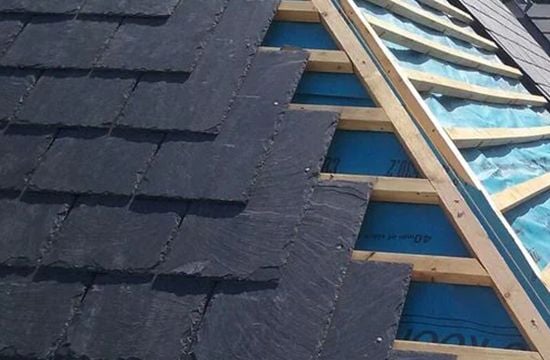
Sustainability is a key priority in modern Australian construction, driving demand for materials that combine environmental responsibility, performance, and long-term value. As a critical building element, roofing plays an important role in meeting these objectives, which is why Spanish slate roofing is commonly chosen for premium residential and commercial projects. This article examines how sustainable this roofing option is when assessed against Australia’s climate conditions and construction expectations.
Natural Material with Low Environmental Impact
One of the primary sustainability advantages of slate lies in its origin. Spanish slate is a natural stone that is quarried and cut with minimal processing compared to manufactured roofing products. This reduced level of industrial treatment contributes to a lower environmental impact during the material’s production phase.
Key sustainability benefits include:
• Naturally occurring stone with no synthetic additives
• Minimal chemical processing during manufacturing
• Inert composition that does not release harmful emissions
• Reduced reliance on energy-intensive production methods
Durability and Long Life — Key to Sustainability
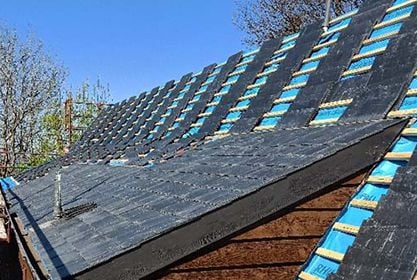
Longevity is a critical factor when assessing the sustainability of building materials. Slate roofing is widely recognised for its exceptional lifespan, often lasting 75 to 100 years or more when properly installed and maintained. This extended service life significantly reduces the frequency of roof replacement, lowering material consumption and construction waste over time.
In comparison to shorter-lived roofing systems, the durability of slate contributes to reduced long-term environmental strain. Fewer replacements also result in reduced disruptions, lower maintenance requirements, and improved return on investment across the building’s lifecycle, which is an important consideration for sustainable Australian construction.
Energy Efficiency and Climate Performance in Australia
Australia’s varied climate presents unique challenges for roofing materials, from intense summer heat to heavy rainfall and bushfire-prone regions. Slate performs well in these conditions due to its density and low water absorption. These properties assist in stabilising internal temperatures, potentially reducing reliance on mechanical heating and cooling.
Additionally, slate is naturally fire-resistant and highly resilient to weathering, making it suitable for diverse Australian environments. By supporting thermal comfort and long-term performance, Spanish slate roofing contributes positively to energy efficiency outcomes when integrated into a well-designed building envelope.
Recyclability and End-of-Life Advantages
Another important sustainability consideration is what happens at the end of a material’s service life. Natural slate offers advantages that many manufactured roofing products do not.
Key end-of-life benefits include:
• Fully recyclable as a natural stone material
• Potential for reuse in restoration or heritage projects
• Reduced landfill waste compared to composite roofing products
Why Choose CladCor for Spanish Slate Roofing Solutions
At CladCor, we understand that sustainable building decisions require expert guidance and high-quality materials. Spanish slate roofing, when assessed over its full lifecycle, offers strong sustainability credentials through its natural composition, durability, energy performance, and recyclability. While factors such as transport and structural requirements must be considered, slate remains a premium roofing solution for environmentally conscious Australian projects.
To discuss how slate roofing can support your next residential or commercial project, contact us and speak with our experienced team about sustainable roofing solutions designed for Australian conditions.
Related Blog Articles:
New Roof Tile Installation: 7 Common Roofing Challenges in Melbourne
Need Slate Roofing in Melbourne? Supply & Install Services for All Property Types